Letterpress Printing Press

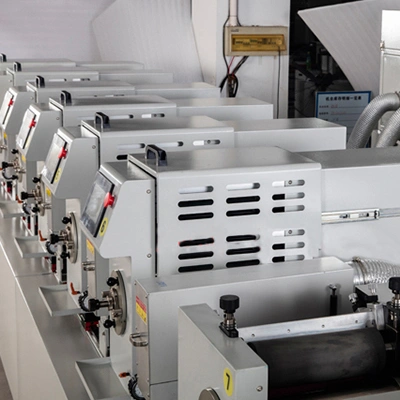
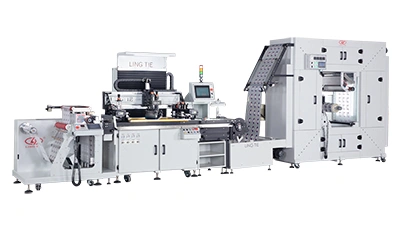
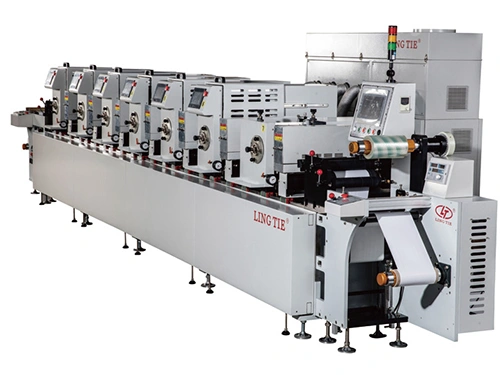
Letterpress printing presses are commonly used for roll-to-roll label production, including single-color and multi-color printing jobs. The ink is first applied to a raised printing plate, and the image is then pressed onto the material as it moves through the printing unit. For multi-color work, several printing stations can be arranged one after another, with registration control keeping the colors in the correct position. Depending on the application, the press can work in full-rotary or intermittent mode, and drying or curing units can be added after printing. Letterpress printing machines are commonly used for self-adhesive labels and other roll-based products that need a good print quality and accurate color registration.

Advantages
  • Flexible Color Configuration

    Letterpress printing presses can be configured with one or multiple printing colors, so the number of color stations can be chosen according to the label design and production requirements.

  • Automated Web Handling

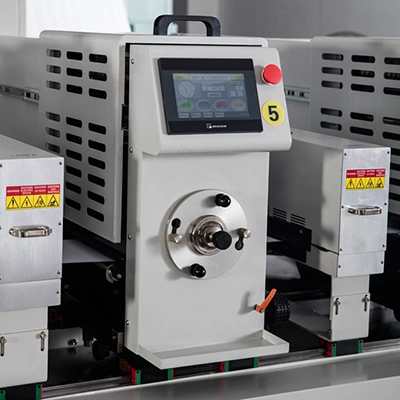
    Automatic feeding and web guiding keep the roll material moving in the correct position, while the HMI gives operators an easy way to monitor and adjust the printing process.

  • Accurate Printing & Registration

    The printing pressure can be adjusted and checked on the display for more precise control. An optional automatic registration system keeps the different color layers aligned during multi-color printing.

  • Integrated Printing & Finishing Options

    Variable data printing, UV curing, varnishing, and other optional functions can be integrated into the press, so several printing and finishing processes can be completed in one production line.

Compatible Materials

Our letterpress presses can work with a broad range of label stocks, films, and technical materials, including:

  • Paper & Label Materials: woodfree paper, coated paper, cast-coated paper, synthetic paper (PP), holographic paper, satin paper, flocked paper, paperboard, and kraft paper.
  • Plastic Films: PET, PE, PC, PVC, and polystyrene-based materials.
  • Optical & Electronic Materials: polarizing film, diffusion film, reflective film, laminated copper foil, optical films, conductive films, flexible PC sheets, and LCD conductive adhesive materials.
  • Foam & Functional Materials: cushioning adhesive materials, EMI insulation materials, foam, conductive foam, and specialty composite materials.
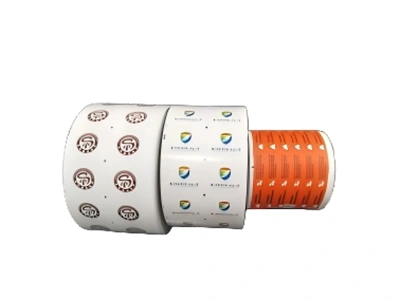
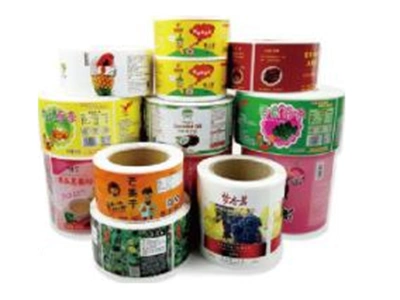
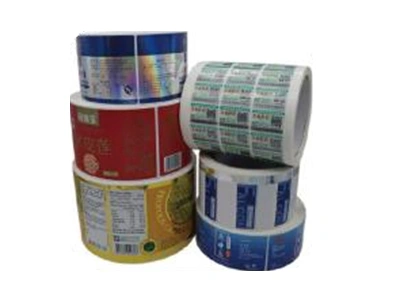
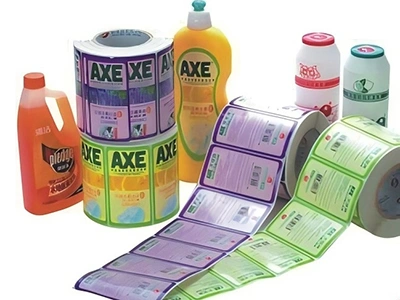
Samples of Printed Labels
  • Samples of Printed Labels
  • Samples of Printed Labels
  • Samples of Printed Labels
  • Samples of Printed Labels
Technical Specifications
Model LTAC-280 LTAC-350/450
Max. Web Width 280mm 350/450mm
Max. Printing Speed 200 rpm / 12,000 impressions/h / approx. 73 m/min 200 rpm / 12,000 impressions/h / approx. 73 m/min
Number of Printing Colors 1–N colors 1–N colors
Full-Rotary Printing Area (W×L) 270 (W)×376 (L) 340 (W)×376 (L)
Intermittent Printing Area (W×L) 270 (W)×50–340(L) 270 (W)×50–340(L)
Max. Unwind Diameter 620mm 620mm
Max. Rewind Diameter 620mm 620mm
Machine Dimensions (L×W×H) L8000×W1081×H1713mm L8000×W1500×H1800mm
Approximate Net Weight 7200kg (6 colors) 8600kg(6 colors)
Power 16kW / 380V / 3.6kW / unit 18kW / 380V / 4.8kW / unit
Specifications and available functions may vary depending on the final machine configuration.
Components
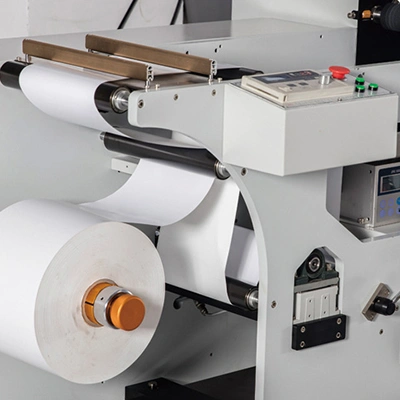
  • Feeding mechanism
    Feeding mechanism
  • Printing stations
    Printing stations
  • Printing station
    Printing station
  • Printing rollers
    Printing rollers
What Is Letterpress Printing?
Letterpress is a relief printing process in which the image area of the printing plate sits higher than the non-printing area. Ink is applied to the raised surface, and the image is transferred to the substrate when the plate and material come into contact under pressure. Modern industrial letterpress presses commonly use photopolymer plates and can print on both paper-based and specialty roll materials.
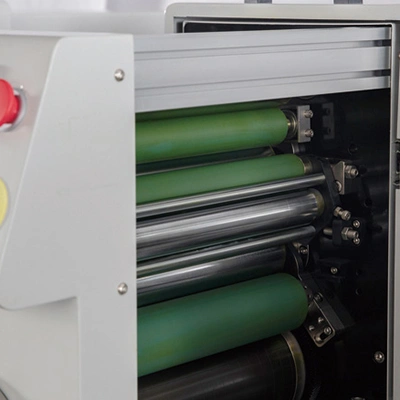
Ink rollers first apply a controlled layer of ink to the raised image area of the plate. The substrate then passes between the printing plate and the impression cylinder, where pressure helps transfer the image onto the material. On multi-color letterpress printing machines, the web moves through several printing stations so each color can be applied in sequence.
Letterpress can produce sharp text, fine lines, and strong solid colors, which is one reason it has remained useful for reel-fed self-adhesive label production. It is also suitable for various types of substrates besides just conventional paper, including films and other specialty materials when the press, plate, and ink system are properly matched.
Backed by 20+ years of engineering expertise, LINGTIE is a direct manufacturer specializing in industrial printing equipment and label finishing equipment, delivering roll-to-roll screen printing lines, letterpress printing presses, and automatic heat transfer presses. Serving global clients across packaging, textiles and apparel, labels, nonwoven products, electronics, plastic products, and paper processing, we offer a complete range of auxiliary equipment such as slitter rewinder, inspection rewinder, roll-to-sheet cutter, and UV curing machine to seamlessly convert raw substrates into precision-printed products. Global procurement partners trust LINGTIE because we manage the complete production process in-house, from precision machining to final assembly, delivering turnkey printing solutions with reliable performance, high accuracy, and long-term production stability for customers worldwide.
See All
    1. Heat Transfer

      Heat Transfer

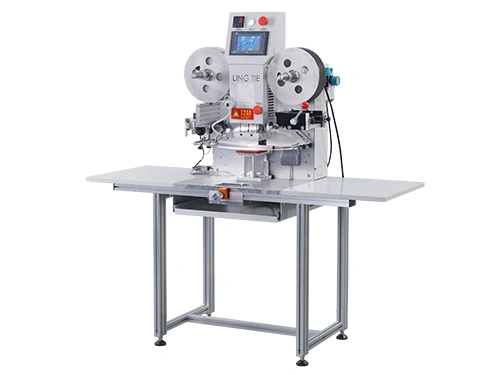
      Automatic heat transfer presses apply printed graphics, logos, labels, or text from a transfer material onto the surface of a product. The transfer paper or film is placed against the product, and the press applies the right amount of heat and pressure to transfer the printed design onto the surface.

      Discover More
    1. Rewinding Inspection

      Rewinding Inspection

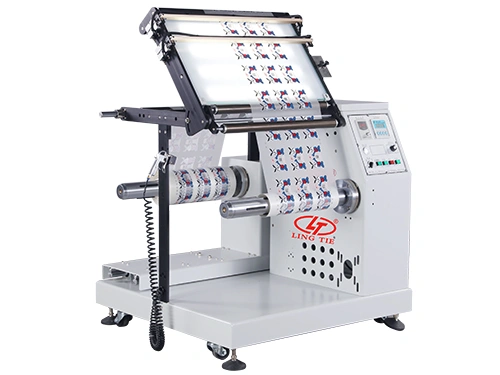
      Rewinding inspection machines bring web inspection, alignment correction, and rewinding together in one production stage for flexible roll materials. Built around an automatic web-guiding rewinder, the range adds dedicated inspection workstations so operators can check product quality during the rewinding process instead of treating inspection as a separate operation.

      Discover More
    1. Unwind and Rewind

      Unwind and Rewind

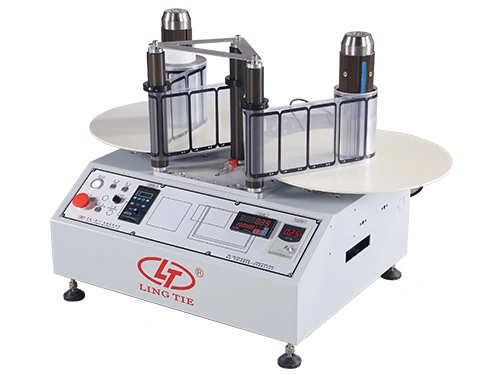
      Unwind and rewind units are an essential part of roll-to-roll printing and converting lines because they control how flexible materials enter and leave the production process. The unwind unit releases the material from the supply roll at a controlled rate, while the rewind unit collects the processed web into a new roll at the other end of the line.

      Discover More