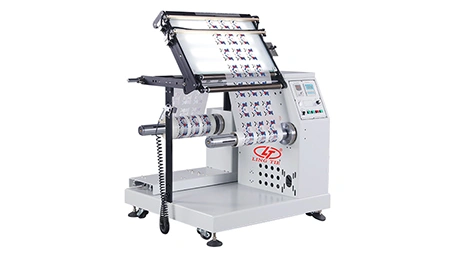
Roll-to-Roll Screen Printing Line

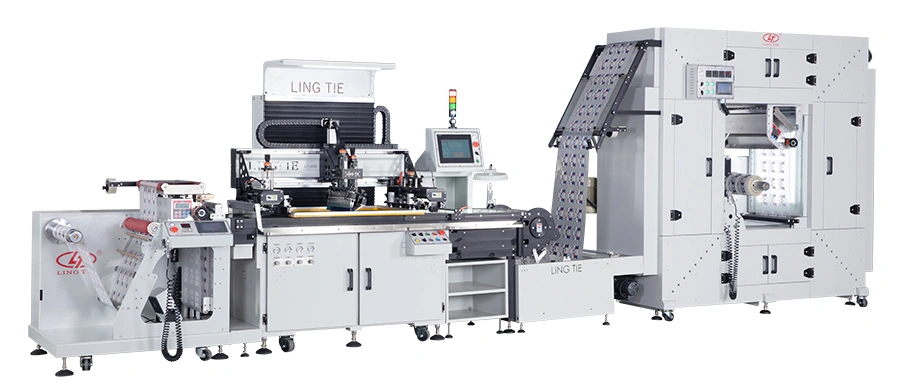
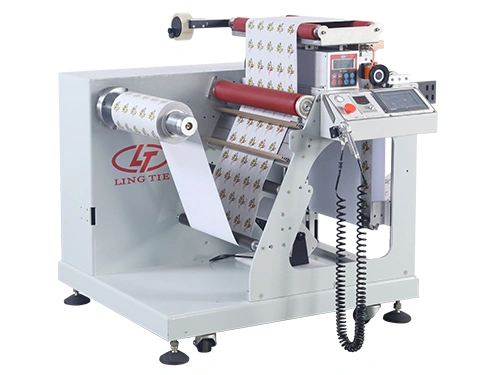
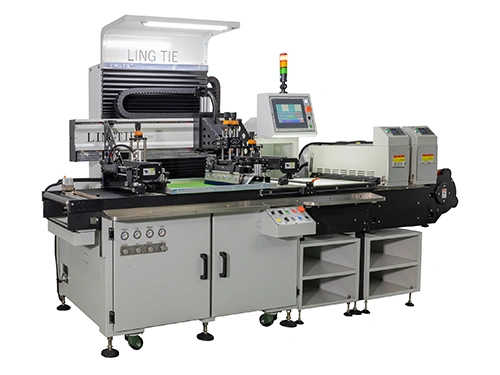
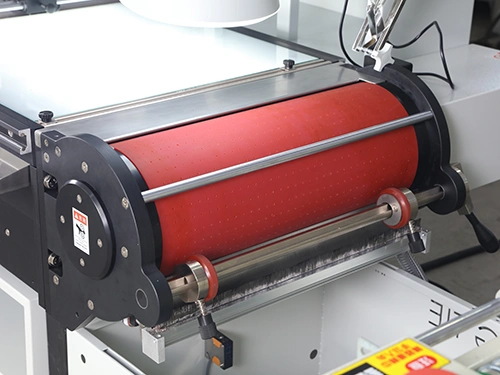
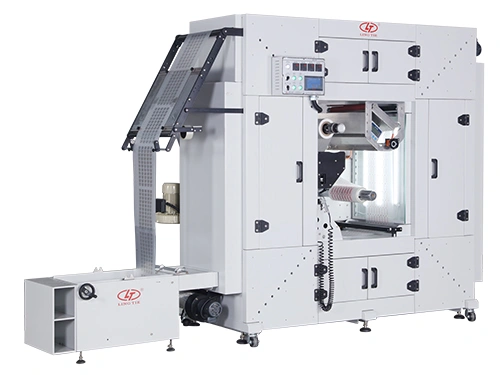
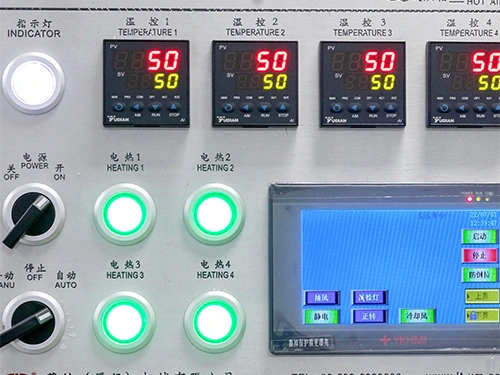
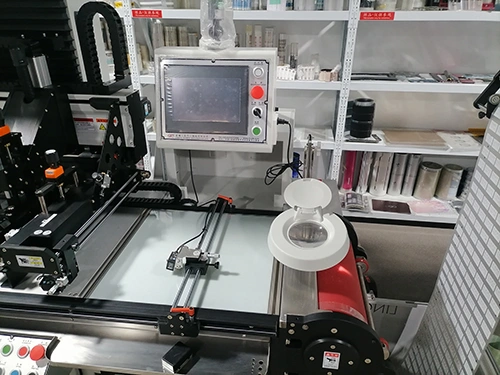
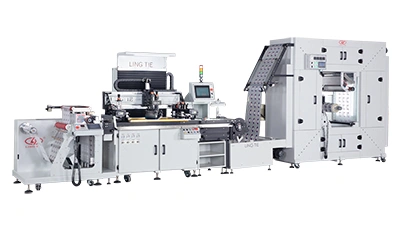
Roll-to-roll screen printing lines are used for continuous, high-volume printing on flexible materials supplied in rolls. The web first passes through the unwinding and web-guiding sections, which keep the material properly tensioned and aligned before printing. At the screen printing station, the squeegee moves across the screen and presses ink through the open mesh areas onto the material. The printed web then passes through a drying or curing unit before it moves to another printing station or is rewound. Depending on the production process, the screen printing line can also include additional printing stations, UV curing, inspection, laminating, and other web-processing units.

  • Roll-to-Roll Screen Printing Line
    Watch Videos
Advantages
  • In a roll-to-roll screen printing line, the material moves continuously from unwinding to printing, drying, and rewinding. Operators do not need to stop and handle individual sheets, which makes the line a better fit for longer production runs.
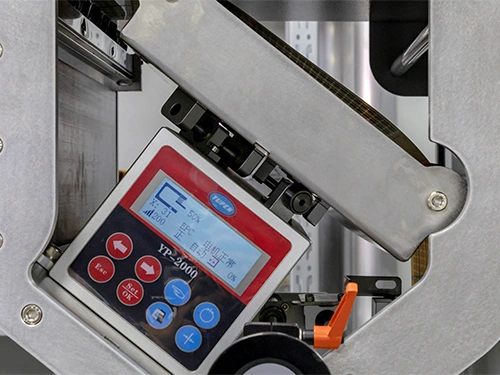
  • Closed-loop tension control keeps the web steady as it moves through the line, and automatic web alignment keeps the material in the correct position. Good control of both helps prevent registration problems during continuous printing.
  • Roll-to-roll screen printing lines have a modular configuration, so the number of screen printing stations and drying or curing units can be selected according to the required printing process. Additional units can also be added when production requirements change.
  • Roll-to-roll production can reduce material waste because the web does not need the same extra margins required when individual sheets are handled one by one. Using material efficiently is important when the material is an expensive film or another high-value technical substrate.
Components
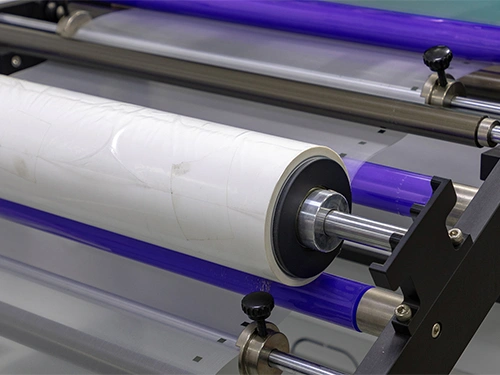
  • Automatic feeder
    Automatic feeder
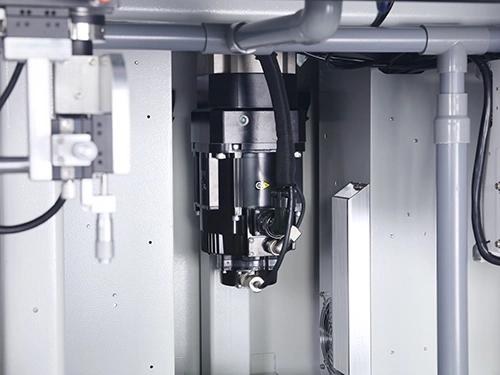
  • Automatic printing press
    Automatic printing press
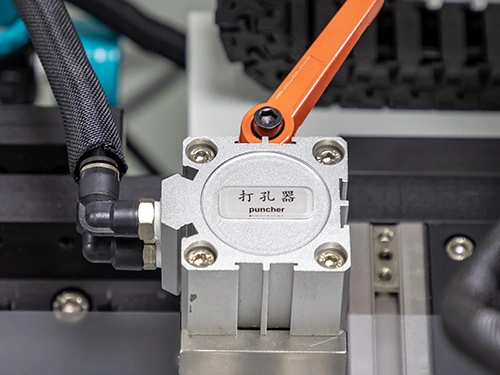
  • Punching unit
    Punching unit
  • Automatic registration system (optional)
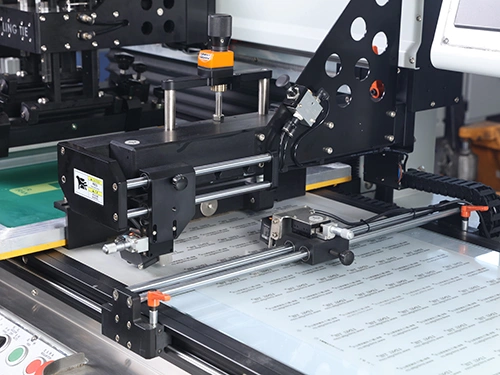
    Automatic registration system (optional)
  • Automatic CCD vision registration system (optional)
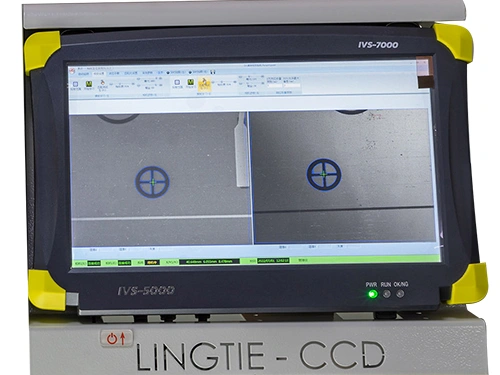
    Automatic CCD vision registration system (optional)
  • Vacuum pull roller (optional)
    Vacuum pull roller (optional)
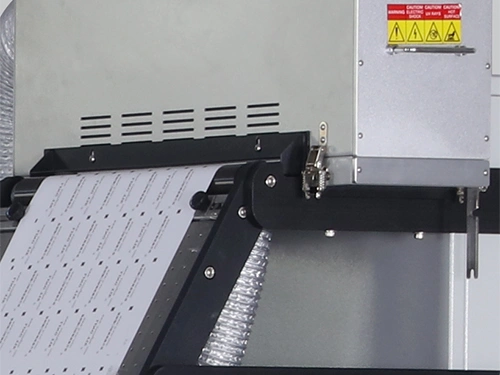
  • Tunnel oven (optional)
    Tunnel oven (optional)
  • Web guiding system (optional)
    Web guiding system (optional)
  • Constant-speed control
    Constant-speed control
  • Anti-scratch handling system and static eliminator (both optional)
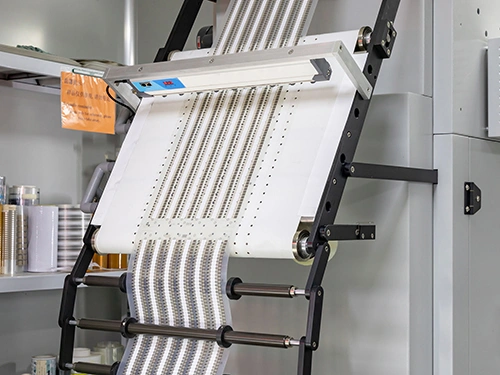
    Anti-scratch handling system and static eliminator (both optional)
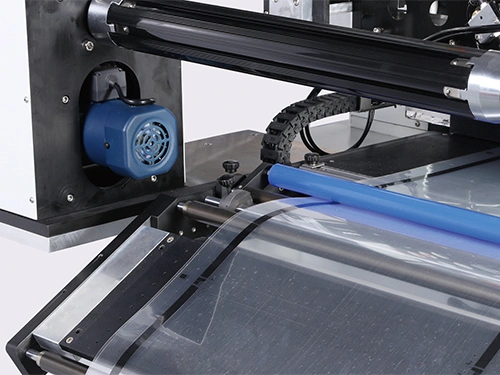
  • Web-guiding and laminating units (optional)
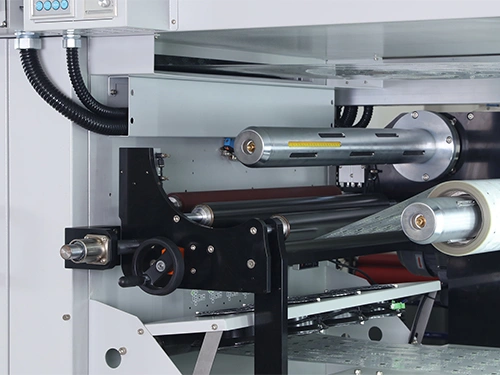
    Web-guiding and laminating units (optional)
  • Automatic CCD vision registration (optional)
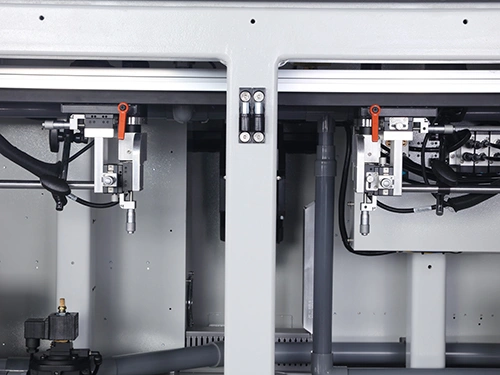
    Automatic CCD vision registration (optional)
  • Digital position adjustment unit (optional)
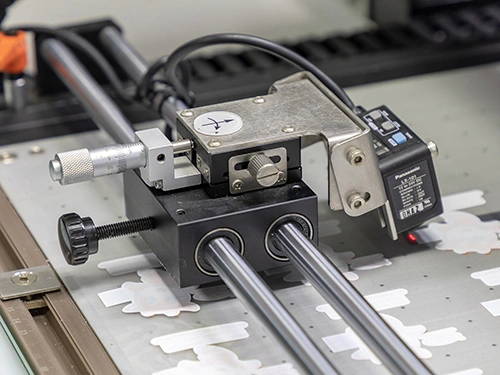
    Digital position adjustment unit (optional)
  • Servo lifting system (optional)
    Servo lifting system (optional)
  • UV / LED UV curing unit (optional)
    UV / LED UV curing unit (optional)
  • Film peeling unit (optional)
    Film peeling unit (optional)
  • Web cleaning unit (optional)
    Web cleaning unit (optional)
  • Inspection table (optional)
    Inspection table (optional)
Backed by 20+ years of engineering expertise, LINGTIE is a direct manufacturer specializing in industrial printing equipment and label finishing equipment, delivering roll-to-roll screen printing lines, letterpress printing presses, and automatic heat transfer presses. Serving global clients across packaging, textiles and apparel, labels, nonwoven products, electronics, plastic products, and paper processing, we offer a complete range of auxiliary equipment such as slitter rewinder, inspection rewinder, roll-to-sheet cutter, and UV curing machine to seamlessly convert raw substrates into precision-printed products. Global procurement partners trust LINGTIE because we manage the complete production process in-house, from precision machining to final assembly, delivering turnkey printing solutions with reliable performance, high accuracy, and long-term production stability for customers worldwide.
See All
    1. Letterpress Printing

      Letterpress Printing

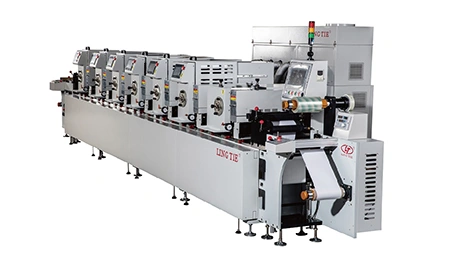
      Letterpress printing presses are commonly used for roll-to-roll label production, including single-color and multi-color printing jobs. The ink is first applied to a raised printing plate, and the image is then pressed onto the material as it moves through the printing unit.

      Discover More
    1. Heat Transfer

      Heat Transfer

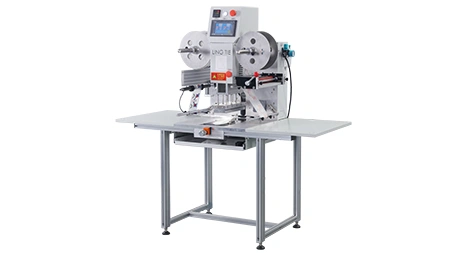
      Automatic heat transfer presses apply printed graphics, logos, labels, or text from a transfer material onto the surface of a product. The transfer paper or film is placed against the product, and the press applies the right amount of heat and pressure to transfer the printed design onto the surface.

      Discover More
    1. Rewinding Inspection

      Rewinding Inspection

      Rewinding inspection machines bring web inspection, alignment correction, and rewinding together in one production stage for flexible roll materials. Built around an automatic web-guiding rewinder, the range adds dedicated inspection workstations so operators can check product quality during the rewinding process instead of treating inspection as a separate operation.

      Discover More