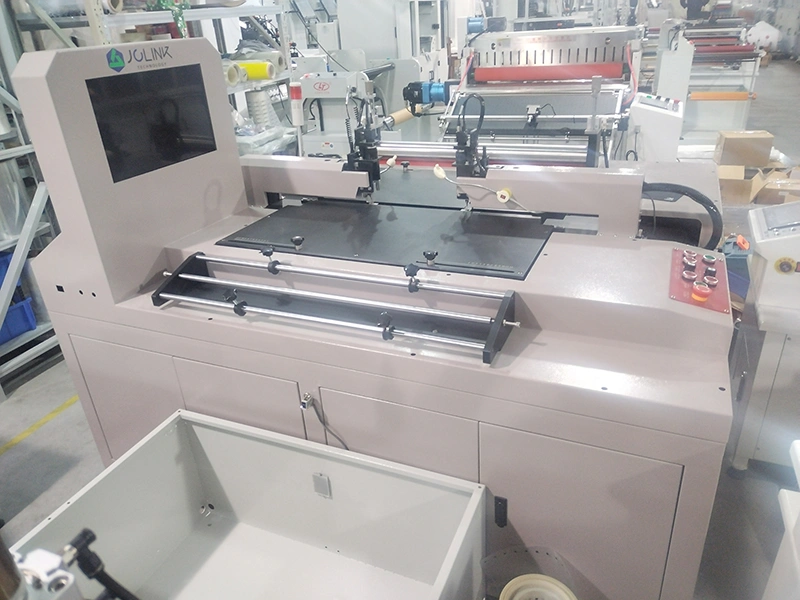
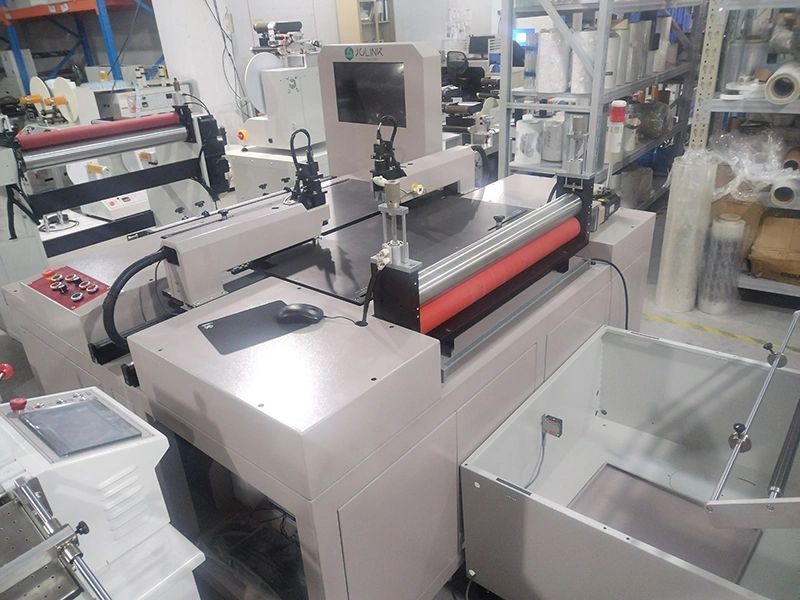
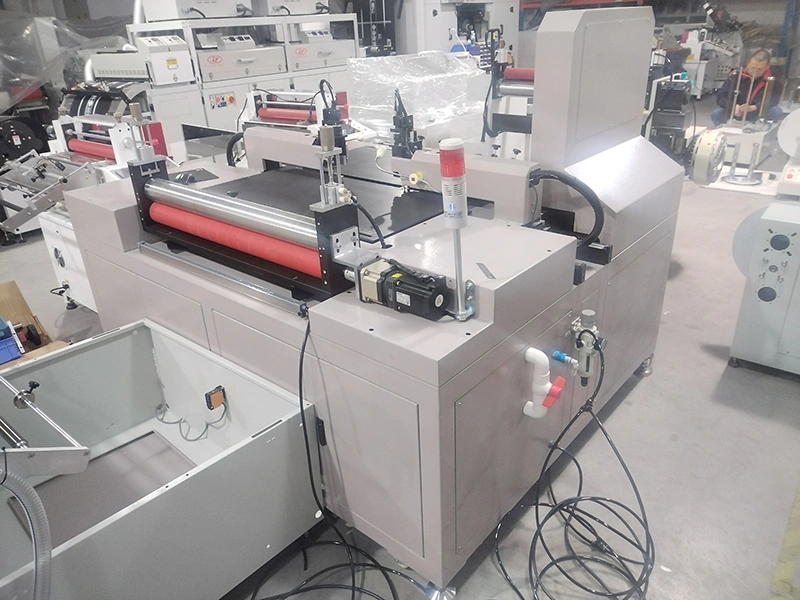
Roll-to-Roll Punch Press with Vision Inspection
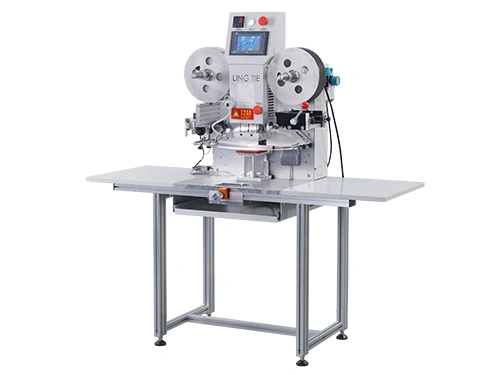
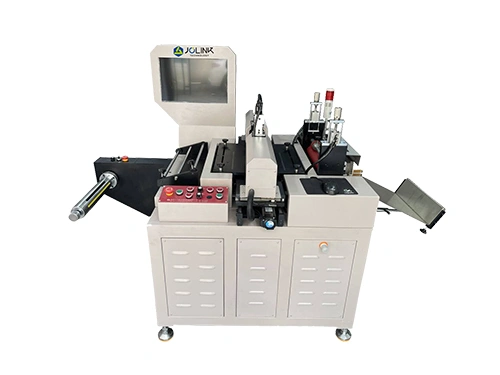
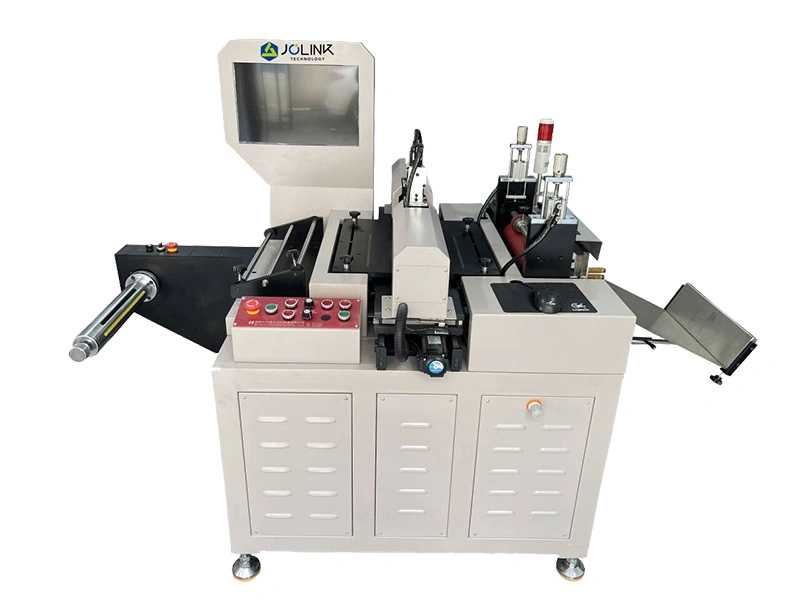
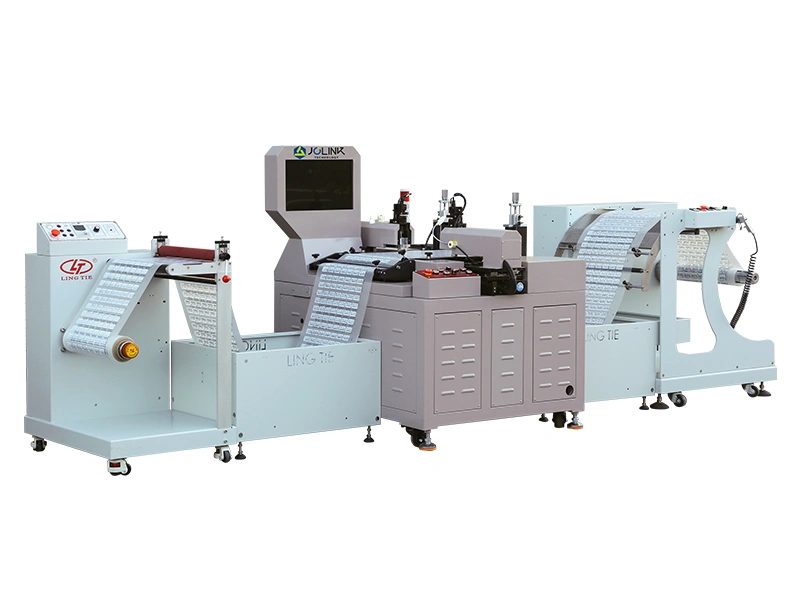
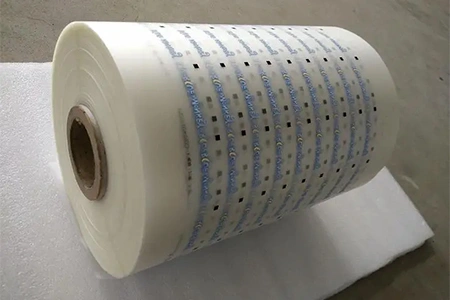
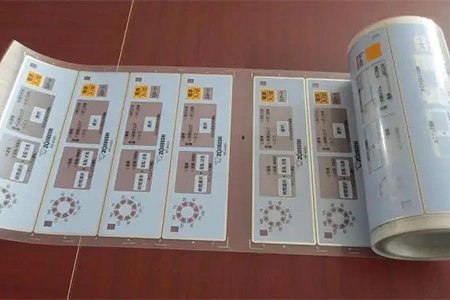
Automatic vision positioning gives this roll-to-roll punch press a clear advantage in continuous production with vision positioning and automatic punching in one process. The camera quickly identifies reference marks on the material, and the control system completes positioning and punching. The entire sequence runs automatically, which brings precise hole positioning into continuous roll processing without the need for manual alignment.
Technical Specifications
| Model | ||||||
| Positioning Accuracy | mm | 0.015 | 0.015 | 0.015 | 0.015 | 0.015 |
| Punching Speed | 2 holes / s | 2 holes / s | 2 holes / s | 2 holes / s | 2 holes / s | |
| Max. Punching Force | N | 1200 | 1200 | 1200 | 1200 | 1200 |
| Material Thickness | mm | 0.05-0.5 | 0.05-0.5 | 0.05-0.5 | 0.05-0.5 | 0.05-0.5 |
| Hole Diameter | mm | 0.5-5 | 0.5-5 | 0.5-5 | 0.5-5 | 0.5-5 |
| Compressed Air Pressure | MPa | 0.4-0.8 | 0.4-0.8 | 0.4-0.8 | 0.4-0.8 | 0.4-0.8 |
| Power Supply | V / Hz | 220/50 | 220/50 | 220/50 | 220/50 | 220/50 |
| Light Source | Infrared light | Infrared light | Infrared light | Infrared light | Infrared light | |
| Net Weight | kg | 345 | 375 | 405 | 435 | 465 |
| Machine Dimensions (L×W×H) | mm | L1900×W1450×H1410 | L1900×W1550×H1410 | L1900×W1650×H1410 | L1900×W1750×H1410 | L1900×W1850×H1410 |
Advantages
- Automatic Vision Positioning
The camera quickly captures reference marks on the material, and the computer-controlled system handles alignment and punching automatically. This removes the need for manual positioning and keeps punching accurate from one cycle to the next. - Fast, Efficient Punching
Quick camera response means positioning can begin as soon as the reference mark is recognized. The faster punching cycle is well suited to continuous processing and larger production batches. - Smart Parameter Recall
Sample images can be saved in the system together with the required processing parameters. For repeat jobs, operators can call up the stored settings directly. Real-time software updates are readily available to provide flexibility for different processing requirements.
Components
-
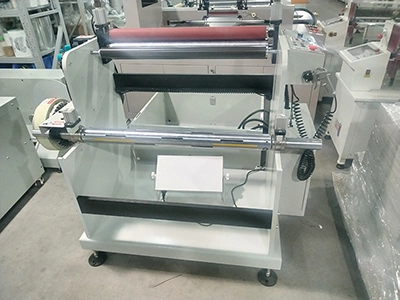
Feeder
-
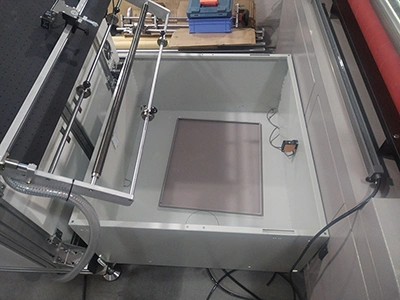
Automatic sheet feed bin
-
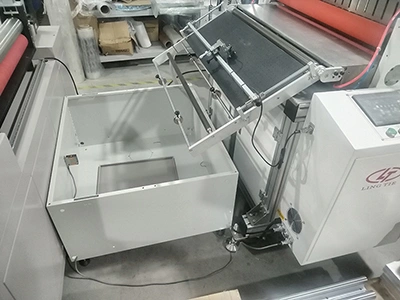
Automatic sheet feeder with feed bin
-
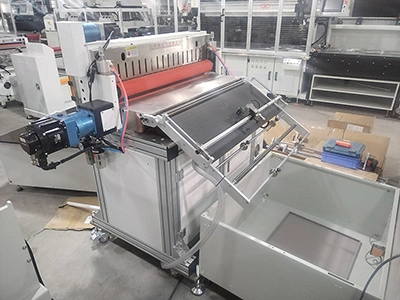
Automatic roll-to-sheet cutter